
Thoracic Myelopathy Treatment Plano, TX
Home > Services > Myelopathy Treatment in Plano, TX > Thoracic Myelopathy Treatment Plano, TX
Specialties
Thoracic myelopathy treatment addresses spinal cord compression in the thoracic region. Patients suffering from thoracic myelopathy and other complex spinal conditions can rely on the expertise of the Advanced Spine Center team.
Unlike other forms of myelopathy, thoracic myelopathy often develops gradually, making early diagnosis critical to preventing lasting nerve damage. Without prompt intervention, patients may experience worsening weakness, numbness, coordination, and neurological symptoms that significantly impact daily function. Advanced Spine Center’s orthopedic surgeons and spine specialists provide comprehensive, personalized care. If you are experiencing symptoms, call us at (972) 499-5457 or visit our online contact page to schedule a consultation.
What Is Thoracic Myelopathy?
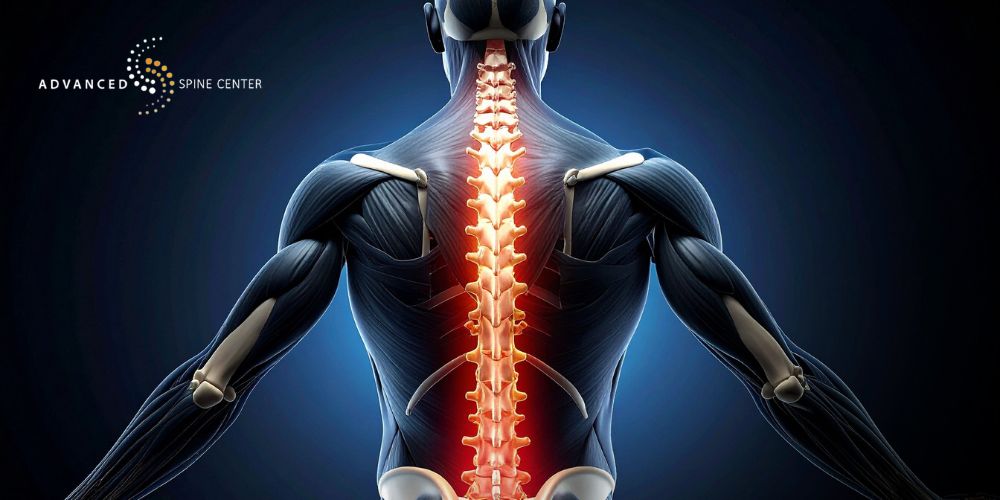
Thoracic myelopathy involves compression within the thoracic spine, which is the middle area of the back that spans from the base of the neck to the bottom of the ribs. This form of myelopathy is less common than cervical myelopathy or lumbar myelopathy. However, it can still produce significant neurological complications affecting balance, strength, and mobility. Left untreated, thoracic myelopathy tends to worsen over time, making early evaluation and myelopathy treatment in Plano, TX essential to preserving function.
How Spinal Cord Compression Develops in the Thoracic Spine

Spine compression can result from many different conditions. Spinal stenosis may narrow the spine. Disc degeneration and herniated discs can cause spinal discs to bulge inward, putting pressure on your spinal cord and nerve roots. Bone spurs and thickened ligaments reduce the available space within the spine and spinal canal. In some cases, compression occurs slowly over time as part of gradual degeneration. Alternatively, spinal trauma or inflammatory disease can accelerate the process.
Thoracic Myelopathy vs Cervical Myelopathy and Lumbar Myelopathy
The location of spinal cord compression largely determines which parts of the body are affected. Cervical myelopathy affects the neck region and commonly produces symptoms in the arms and hands, affecting fine motor skills as well as balance. Our team offers both surgical and non-surgical treatments for cervical myelopathy in Plano, TX. Lumbar myelopathy involves the lumbar spine and tends to affect lower body function, including the legs and bladder control. The Advanced Spine Center’s Texas lumbar myelopathy specialists help patients explore multiple treatment options for this condition. Thoracic myelopathy most commonly impacts the trunk and legs, producing symptoms such as stiffness, weakness, and altered sensation below the level of compression. Whatever your symptoms, our team can help you find relief.
Common Thoracic Myelopathy Symptoms
Myelopathy symptoms related to the thoracic spine often begin subtly but become more noticeable as spinal cord compression progresses. Patients frequently report mid-back pain, abnormal reflexes, leg weakness or stiffness, and numbness or tingling that radiates below the chest into the lower extremities. Balance and coordination problems are also common. Many patients notice changes in their walking pattern, including a shuffling or unsteady gait. If you recognize these signs, reviewing the 8 signs you need back surgery can help you understand when it’s time to seek a more advanced level of care from a spine specialist.
Causes of Thoracic Myelopathy

A variety of underlying conditions can place excess pressure on the spinal cord within the thoracic region. Common causes include age-related degenerative disease, spinal trauma, autoimmune disorders, spinal infection, bone cancer, and congenital stenosis. Identifying the root cause is a key part of myelopathy diagnosis because it directly informs the most effective treatment approach for each patient.
Spinal Stenosis and Degenerative Changes
One of the most common causes of thoracic myelopathy is spinal stenosis. This condition, defined by a narrowing of the spinal canal, can occur due to age-related wear and tear, injury, or conditions that affect the spine. Whatever the cause, our team offers spinal stenosis treatment in Plano, TX to help patients recover.
Other changes in the spine can also compress the thoracic spine. Disc degeneration causes spinal discs to lose height and flexibility. Bone spur formation encroaches on the space surrounding the spinal cord. Rheumatoid arthritis and other inflammatory diseases can accelerate degenerative changes. The Advanced Spine Center provides Plano spondylosis treatment for these degenerative issues.
Herniated Discs and Structural Abnormalities
Herniated discs occur when the soft center of a spinal disc leaks out of its hard exterior. When a herniated disc presses against the thoracic spine, it can produce radiating pain and progressive neurological symptoms. Our Plano herniated disc doctors provide solutions to relieve spinal pressure.
Congenital spine conditions and trauma can drastically increase the likelihood of developing structural changes that cause spinal compression. The Advanced Spine Center works with patients who have scoliosis, lordosis, and other similar conditions. Our team also helps injured victims recover from severe spinal trauma.
Receiving a Thoracic Myelopathy Diagnosis at Advanced Spine Center
The myelopathy diagnosis process begins with a thorough review of the patient’s medical history. Your doctors will issue a detailed neurological exam to assess reflexes, muscle strength, coordination, and sensation. Medical teams also use imaging tests such as MRI or CT scans to identify the precise location of spinal cord compression and evaluate the severity of structural changes. In some cases, electrical tests such as somatosensory evoked potentials are necessary to assess how effectively signals travel through the spinal cord and spinal nerves. Our team develops a personalized treatment plan tailored to each patient’s condition, symptoms, and long-term goals.
How Is Thoracic Myelopathy Treated in Plano, TX?

Thoracic myelopathy treatment depends on the severity of symptoms and the degree of spinal cord compression. For patients with mild myelopathy, nonsurgical treatments such as physical therapy, anti-inflammatory medications, and nerve stimulation may provide meaningful benefits. When nonsurgical options fail or when patients present with severe spinal cord compression, surgical intervention becomes necessary to prevent permanent nerve damage.
Laminectomy is a common decompression surgery that removes the structures compressing the spinal cord and restores space within the spinal canal. Depending on the extent of spinal instability, our orthopedic surgeons may also recommend transforaminal lumbar interbody fusion (TLIF) surgery or kyphosis surgery to stabilize the spine and support long-term recovery. When possible, our team prioritizes minimally invasive techniques. Minimally invasive spine surgery involves smaller incisions, less disruption to surrounding tissue, and shorter recovery times compared to traditional open surgery.
When to Seek Care for Thoracic Myelopathy Symptoms
If you’re experiencing persistent mid-back pain accompanied by neurological changes, you should seek evaluation from a spine specialist without delay. Difficulty walking, maintaining balance, or coordinating leg movements are warning signs that spinal cord compression may already be affecting neurological function. Increasing numbness or weakness that spreads below the chest, or myelopathy symptoms that worsen progressively over weeks or months, require prompt medical attention.
Early diagnosis allows our team to intervene before severe compression causes irreversible nerve damage. Timely treatment options range from physical therapy to minimally invasive spine surgery.
Schedule an Appointment at Advanced Spine Center for Thoracic Myelopathy Treatment in Plano, TX
Early treatment for thoracic myelopathy can relieve severe pain, prevent permanent spinal cord damage, and help patients maintain function and independence. Our experienced spine specialists in Plano offer personalized nonsurgical and surgical treatment options designed to address each patient’s unique diagnosis. The Advanced Spine Center prioritizes protecting spinal cord function and long-term mobility, guiding patients through every stage of myelopathy treatment with compassionate care.
Call us today at (972) 499-5457 or use our online contact page to schedule your appointment and take the first step toward relief.