Lumbar Foraminal Stenosis Treatment In Plano, TX
Home > Lumbar Foraminal Stenosis Treatment
Specialties
Specialized Lumbar Foraminal Stenosis Treatment at Advanced Spine Center in Plano, Texas
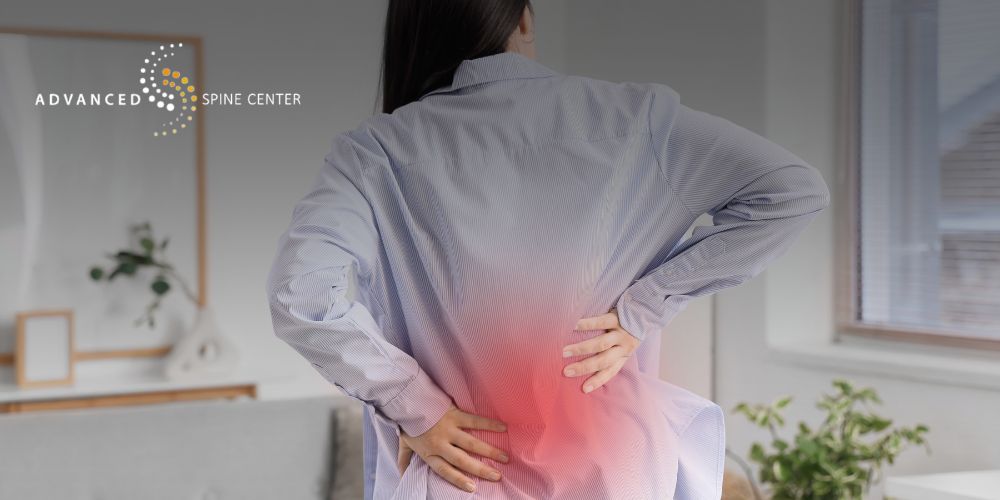
Lumbar foraminal stenosis is a serious spinal condition that can cause nerve compression and significant back pain. It is crucial to seek professional healthcare near you to address this issue. The Advanced Spine Center provides quick and professional evaluation and treatment for lumbar spine conditions.
In addition to severe or chronic pain, individuals with any form of spinal stenosis are at risk of nerve damage, neurological symptoms, and limited mobility or function. The sooner you have lumbar spinal stenosis diagnosed and treated, the better. As a spinal surgeon with over 28 years of medical experience, Dr. Stephen Courtney helps patients suffering from foraminal stenosis and other forms of lumbar foraminal neuropathy. Learn more about how he can help you by calling Advanced Spine Center in Plano at (972) 499-5457 or contacting us online.
What Is Foraminal Stenosis of the Lumbar Region?
While spinal stenosis generally involves narrowing in the spinal canal, foraminal stenosis affects the intervertebral foramen, or openings, on either side of your spine. It is called lumbar foraminal stenosis when this occurs in the lower spine. Narrowing in this area places exiting nerve roots under pressure, which can lead to back pain, leg pain, and other neurological symptoms.
Any condition affecting your spinal cord or nerves requires quick and professional medical attention. To learn more about foraminal stenosis treatment in Plano, TX, contact the Advanced Spine Center.
Lumbar Foraminal Stenosis vs Cervical Foraminal Stenosis
According to the Cleveland Clinic, foraminal stenosis most commonly occurs in the lumbar or cervical spine. Symptoms vary depending on the location of the foraminal narrowing. Those with lumbar foraminal stenosis typically experience nerve pain in the lower extremities and lower back. Cervical foraminal stenosis occurs in the upper portion of your spine, usually leading to neck pain and issues that affect the arms.
Causes of Lumbar Foraminal Narrowing
Lumbar foraminal narrowing may result from various health conditions or trauma. Elderly people often experience degenerative changes, such as arthritis or bulging discs, that can narrow the openings between spinal vertebrae. Prolonged pressure can lead to the development of bone spurs that reduce the space for individual nerves. Herniated discs, which often irritate spinal nerves, can result from age or injury. Certain risk factors also increase the chances of foraminal stenosis. Examples include smoking, sedentary lifestyles, and participating in high-impact sports.
Common Symptoms of Lumbar Foraminal Stenosis

Persistent chronic or severe pain in your lower back may indicate lumbar foraminal stenosis. Nerve compression may cause pain to radiate down one or both legs. Lumbar foraminal stenosis symptoms can also include muscle weakness, numbness, or tingling between the legs, in the inner thighs, or in the feet. Motor weakness may lead to your foot slapping down when walking, which is called foot drop. Some individuals experience issues with incontinence. Pain and other symptoms may worsen after prolonged standing or lumbar extension, such as when you bend forward.
How a Plano Healthcare Provider at Advanced Spine Center Diagnoses Lumbar Foraminal Stenosis
At Advanced Spine Center, your healthcare provider will take great care to accurately diagnose your condition. We’ll review symptoms, such as back pain and nerve-related discomfort, then evaluate your nerve function and spinal movement through a physical examination. Imaging tests such as Magnetic Resonance Imaging (MRI) scans, Computed Tomography (CT) scans, or X-rays also play a crucial role in identifying foraminal narrowing.
What Is the Best Treatment for Lumbar Spinal Stenosis?
Healthcare teams determine the best treatment for lumbar spinal stenosis based on the severity of the patient’s symptoms and nerve compression. Many patients begin with conservative treatments to relieve pain and inflammation. If symptoms persist, your Plano, TX spinal stenosis doctor may recommend more advanced treatments.
Conservative Treatments for Lumbar Foraminal Stenosis
Conservative, non-surgical management of lumbar foraminal stenosis often involves physical therapy and medication. Your physical therapist can guide you through personalized exercises, strengthening muscles to relieve spinal pressure. Doctors typically recommend nonsteroidal anti-inflammatory drugs to reduce pain and swelling. Lifestyle adjustments can also reduce strain on your spine. For example, you may benefit from improving your posture or avoiding leaning forward when possible.
Minimally Invasive Treatments for Lumbar Foraminal Stenosis
Spine doctors can also ease pressure, improve mobility, and provide pain relief through minimally invasive treatments. Spinal injections involve delivering medicine directly to the spinal nerves. A transforaminal epidural steroid injection in Plano, TX can interrupt pain signals and reduce inflammation that causes irritation. Other procedures address foraminal stenosis by creating more space. Plano minimally invasive lumbar decompression surgeons carefully remove bone or soft tissues in the lumbar region contributing to nerve compression.
Surgical Treatment for Severe Lumbar Foraminal Stenosis
Severe cases of lumbar foraminal stenosis may not respond to conservative treatments, making back surgery necessary to relieve pressure on spinal nerves. The Advanced Spine Center team is prepared to provide direct decompression with laminotomy and laminectomy surgery in Plano, TX.
Both of these procedures focus on the spinal lamina, which is part of the spinal vertebrae. During a laminotomy, our Plano laminotomy surgeon removes only part of the lamina to ease pain and restore normal nerve function. A laminectomy, on the other hand, involves removing the entire lamina. Your doctor will discuss surgical options with you ahead of time, enabling you to make informed decisions before any procedure.
Lumbar Foraminal Stenosis FAQs
Can Bone Spurs Cause Lumbar Foraminal Stenosis?
Yes. Bone spurs, which may develop due to arthritis or spinal degeneration, can narrow the neural foramina and compress nerves. These bony growths are a common cause of lumbar foraminal stenosis.
What Is Hidden Stenosis in the Lumbar Spine?
Hidden stenosis refers to spinal narrowing that may not appear clearly on standard imaging. Even if the narrowing is difficult to notice, symptoms may still occur due to nerve compression during movement. A healthcare provider may use specialized testing to evaluate this condition.
Can Lumbar Foraminal Stenosis Lead to Cauda Equina Syndrome?
Severe nerve compression in the lower spine may contribute to cauda equina syndrome, a condition that requires immediate medical attention. Symptoms may include severe back pain, leg weakness, or loss of bladder control.
Call Advanced Spine Center For Expert Lumbar Foraminal Stenosis Treatment in Plano, TX
Don’t wait to seek the help you need for spinal stenosis and other spinal conditions. The Advanced Spine Center in Plano, TX provides professional, reliable care for issues affecting the cervical spine, thoracic spine, and lumbar spine. Backed by decades of experience, Dr. Stephen Courtney will evaluate your specific issues and recommend treatment options suited to your circumstances.
Schedule your appointment with the Advanced Spine Center today by calling us at (972) 499-5457 or contacting us online.