Bilateral Foraminal Stenosis Treatment in Plano, TX
Home > Bilateral Foraminal Stenosis Treatment
Specialties
Advanced Spine Care for Bilateral Foraminal Stenosis in Plano, Texas
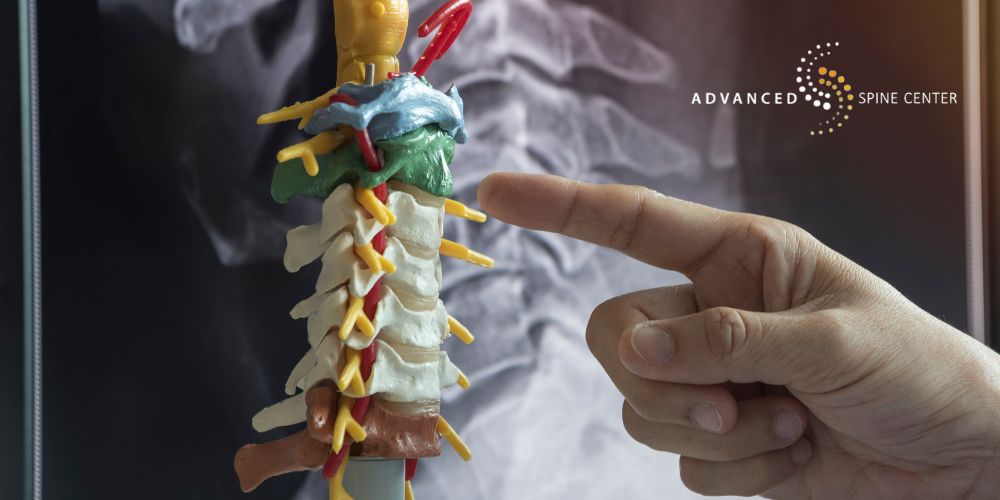
Bilateral foraminal stenosis can affect your life significantly, causing severe pain and limiting your ability to perform daily tasks. To relieve pain and get back to your regular routine, seek professional care at the Advanced Spine Center in Plano, TX. Our team is well-known for handling a wide range of conditions affecting the cervical spine, thoracic spine, and lumbar spine.
Early diagnosis is crucial when dealing with any form of stenosis. The longer you wait, the more you risk symptoms and nerve damage worsening. Dr. Stephen Courtney of the Advanced Spine Center is a local spine surgeon with experience in treating foraminal stenosis. He will carefully evaluate your condition to provide the personalized spine care you need. Call (972) 499-5457 or use the online contact form to schedule your appointment at the Advanced Spine Center.
What Is Bilateral Foraminal Stenosis?
Spinal stenosis broadly refers to the narrowing of the spinal canal. This creates pressure on your spinal cord, which can cause significant pain. Foraminal stenosis is a type of spinal stenosis that specifically affects the areas where spinal nerves exit either side of the spinal column, leading to painful nerve root compression. When openings on both sides of the spine have narrowed, it is called bilateral foraminal stenosis or bilateral foraminal narrowing. This condition occurs most frequently in the cervical or lumbar spine, though thoracic foraminal stenosis is possible. The Advanced Spine Center offers foraminal stenosis treatments in Plano, TX to relieve pressure and pain for mild, moderate, and severe cases.
How Bilateral Neural Foraminal Stenosis Affects the Spine
The areas where nerve roots exit are called neural foramina. When neural foramina narrow, the spinal nerves become pinched and compressed. Compression interferes with normal nerve signals and, over time, causes nerve damage. Symptoms of foraminal stenosis can vary depending on the location of the condition.
Causes of Foraminal Narrowing and Nerve Compression in the Spine
There are many possible causes of foraminal narrowing. The Cleveland Clinic suggests that age plays a significant role in foraminal stenosis, since cases are especially common in individuals over 55. As we age, spinal vertebrae and connective tissues degenerate, leading to reduced spinal stability. Bone spurs, disc problems, and other structural changes can also lead to cervical, thoracic, or lumbar stenosis.
Degenerative Changes in the Lumbar Spine and Cervical Spine
Degenerative changes in the spine can easily cause a variety of issues, including lumbar and cervical spinal stenosis. Disc degeneration reduces the space between adjacent vertebrae, impacting the neural foramina. Spinal arthritis can contribute to foraminal narrowing. Aging can also lead to the development of thickened ligaments or bone spurs on the lumbar or cervical vertebrae, increasing pressure on nearby nerves.
Other Conditions That Can Cause Bilateral Foraminal Stenosis
Herniated discs, which occur when the soft center of the cushion-like structure between your vertebrae leaks out of its thick exterior, often press against spinal nerves. Spinal fractures and other injuries may pinch nerves as well. Nerves may also become compressed when injuries cause ligaments to swell or thicken. Congenital spinal conditions, or conditions that develop prior to birth, can narrow nerve passageways and lead to cervical, thoracic, or lumbar spinal stenosis.
Bilateral Foraminal Stenosis Symptoms
Symptoms can vary from person to person, but those suffering from bilateral foraminal stenosis often experience chronic pain in their back or extremities. In addition to severe pain, nerve compression can cause muscle weakness, numbness, tingling, or muscle spasms. Neck pain, headaches, brain fog, and trouble using hands are most common in cases of cervical foraminal stenosis. Lumbar foraminal stenosis is more likely to result in foot and leg numbness, pain, or weakness. Foraminal stenosis in the lower back can also cause loss of bladder or bowel control.
How Is Bilateral Foraminal Stenosis Diagnosed?
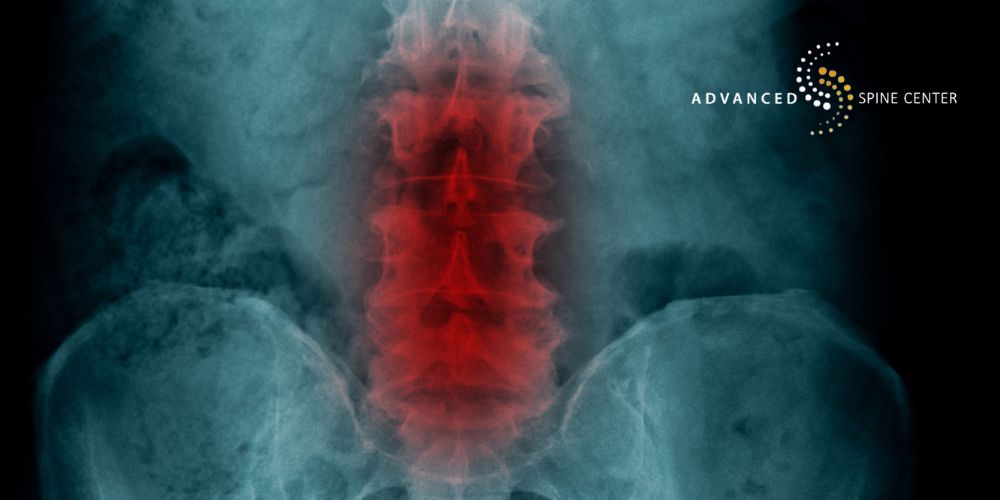
Our medical team carefully reviews all symptoms when patients come to us for diagnosis. We consider your medical history and complete a physical examination to evaluate nerve function. If necessary, we can use various imaging tests to confirm and pinpoint the location of foraminal stenosis. Common tests used in the diagnosis process include Magnetic Resonance Imaging (MRI), CT scans, and X-rays.
Conservative Treatments for Bilateral Foraminal Stenosis
For mild foraminal stenosis, doctors often try conservative treatments. Physical therapy can strengthen muscles supporting the spine while anti-inflammatory medications relieve pain and swelling. Some patients benefit from lifestyle changes that reduce stress on the spine, such as improving posture or reducing the need to bend or twist their back.
Minimally Invasive Treatments for Bilateral Foraminal Stenosis
Patients suffering from more severe symptoms may try other spinal stenosis treatments in Plano, TX. Many patients benefit from image-guided epidural injections delivered directly to the affected nerves. Pain signals become interrupted while the injection reduces swelling and inflammation. Alternatively, your doctor may recommend decompression procedures to relieve nerve compression. These procedures often use minimally invasive surgical techniques, which generally result in shorter recovery times. To learn more about decompression procedures and transforaminal epidural steroid injections in Plano, reach out to the Advanced Spine Center team.
What Is the Treatment for Severe Bilateral Foraminal Stenosis?
Spine surgery typically becomes necessary once conservative treatments fail. These procedures often aim to widen the neural foramina, which relieves pressure. The Advanced Spine Center team carefully considers each case of severe foraminal stenosis to determine the best treatment options. Depending on your situation, we may recommend a laminectomy surgery in Plano, TX. This surgical procedure involves removing the bony arch that covers your spinal canal. Spinal fusion is another surgical option during which doctors fuse two or more vertebrae together, relieving pain and increasing spinal stability. The Advanced Spine Center offers both cervical and lumbar fusion surgery in Plano.
Our team approaches every treatment with the goals of reducing chronic pain and restoring nerve function. Whenever possible, we prioritize minimally invasive surgeries to address neural foraminal narrowing. To learn more about these surgical options, contact our laminectomy, lumbar fusion, and cervical fusion surgeon in Plano, TX.
Bilateral Foraminal Stenosis FAQs
Can Foraminal Stenosis Cause Chronic Pain?
Yes, nerve compression often leads to ongoing pain that limits your ability to complete daily activities. If you’re experiencing chronic pain or other severe symptoms, it is important to seek medical attention as soon as possible. Proper diagnosis and treatment give you the best chance of recovering.
Does Maintaining a Healthy Weight Help Reduce Nerve Compression in the Spine?
Excess weight may place stress on your spine, increasing the risk of nerve compression. Maintaining a healthy weight not only relieves that pressure but also slows spine-related degeneration. Talk to your doctor about lifestyle changes that can reduce symptoms of nerve compression.
Can Bilateral Foraminal Stenosis Cause Leg Pain?
When neural foraminal stenosis occurs in the lumbar spine, it can cause radiating leg pain as well as leg weakness and numbness. Symptoms may worsen with movement or prolonged standing. It is important to accurately identify the underlying cause of spinal stenosis, so be sure to consult with a medical professional.
Can Bilateral Foraminal Stenosis Worsen Without Treatment?
Yes, bilateral foraminal stenosis can worsen without treatment. The longer nerve compression goes unaddressed, the more nerve damage you suffer. Delayed treatment may lead to increased pain and neurological issues, so early medical evaluation is crucial.
Contact Advanced Spine Center for Bilateral Foraminal Stenosis Care in Plano, TX
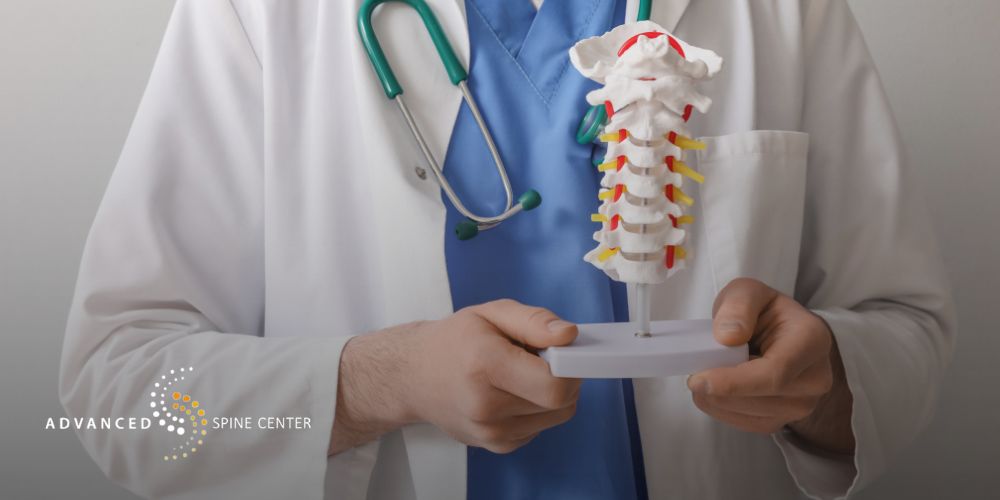
If you’re suffering from spinal stenosis symptoms, don’t hesitate to contact a professional. As a spine specialist, Dr. Courtney is prepared to provide personalized care for a wide range of spine conditions, including various forms of lumbar, thoracic, and cervical stenosis. He utilizes years of experience and specialized knowledge to your benefit, informing you of your treatment options and helping you make informed care decisions.
Acting quickly is important, especially in cases of severe stenosis. Don’t hesitate to contact the Advanced Spine Center by calling (972) 499-5457 or using the online contact form. Schedule your appointment today.