Failed Back Syndrome Treatment in Plano, TX
Home > Failed Back Syndrome Treatment Plano, TX
Specialties
Failed back syndrome treatment in Plano, TX, helps patients who continue to experience persistent pain after back surgery. At Advanced Spine Center, our experienced spine and pain management specialists understand how debilitating refractory chronic pain can be. Ongoing spinal pain can disrupt daily life, limit mobility, and make even simple tasks feel impossible. As frustrating as chronic pain is, it is also often treatable. We help patients find meaningful relief with the right combination of interventional and conservative therapies.
If you are struggling with persistent spinal pain, disability, and other problems after a prior surgery, call our team. You can reach us at (972) 499-5457 or visit our online contact page to schedule a consultation today.

What Is Failed Back Syndrome?
Failed back syndrome, also called failed back surgery syndrome or post-laminectomy syndrome, refers to ongoing back or leg pain that persists after undergoing spinal surgery. This condition does not necessarily mean the surgical procedure was performed incorrectly. In many cases, the surgery achieved its technical goals, yet the patient’s pain continues or returns over time. Underlying factors such as nerve injury, scar tissue formation, surgical complications, or spinal instability can all contribute to persistent spinal pain syndrome following lumbar spine surgery.
What Causes Failed Back Surgery Syndrome?
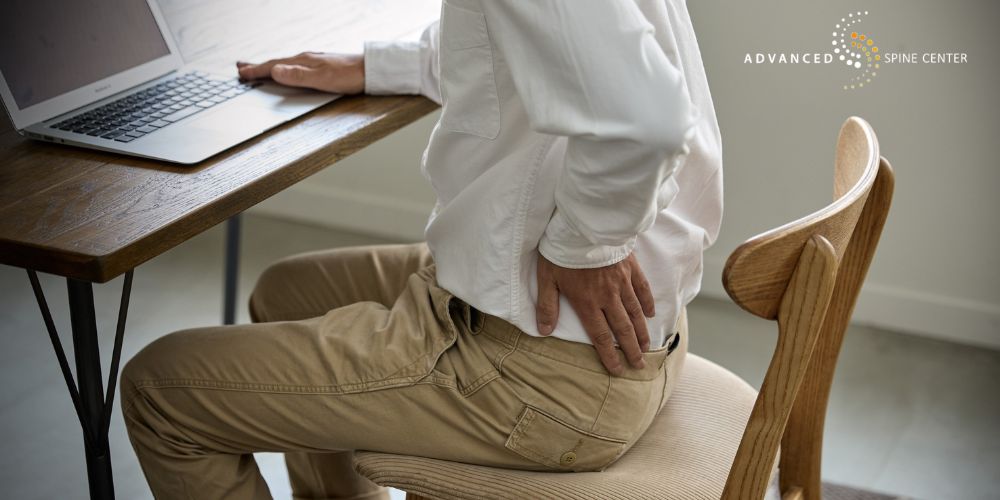
Identifying the root cause of the patient’s symptoms is essential for building an effective treatment plan. Recurrent disc herniation is one of the most common culprits. This occurs when a herniated disc reforms near the original surgical site and causes nerve compression. In such cases, our Plano, TX herniated disc doctors can help.
Scar tissue that develops during the healing process may also compress nerves, leading to neuropathic pain and limited mobility. Additional causes include incomplete decompression of the spinal canal, nerve injury sustained during or after the original surgical intervention, and adjacent segment degeneration. Advanced Spine Center provides a wide range of solutions to back pain, including Plano, TX back surgery and non-surgical treatment options.
Symptoms of Failed Back Syndrome
The most recognizable symptom of failed back syndrome is persistent back pain that continues well beyond the expected recovery period following lumbar surgery or other spinal procedures. Many patients also experience leg pain or radiating nerve pain that travels down the buttocks, thighs, or lower legs. In addition to pain symptoms, failed back syndrome can cause numbness, weakness, and limited mobility, resulting in an overall reduced quality of life. If you’re wondering when to be concerned about back pain and other back-related symptoms, contact our medical team.
Does Failed Back Syndrome Cause Chronic Pain?
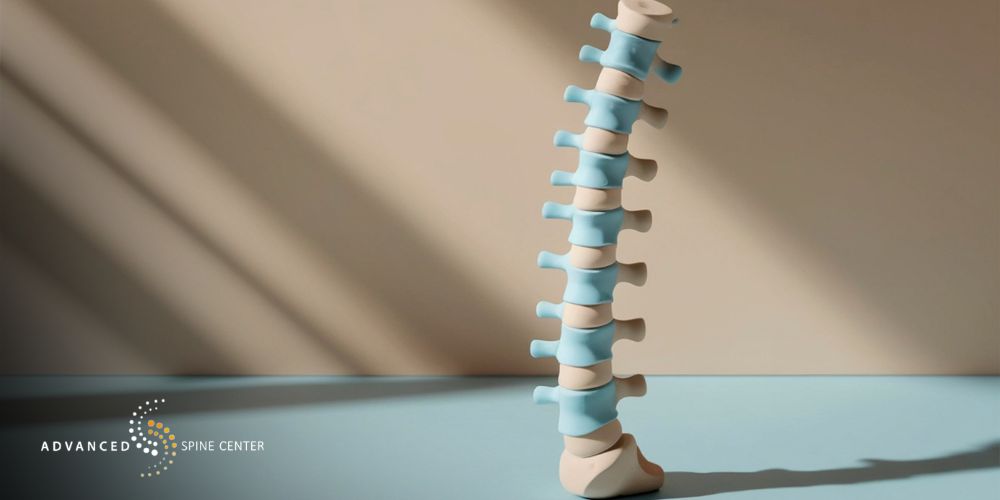
Ongoing inflammation or nerve irritation can continuously send pain signals to the brain, making chronic low back pain a daily reality for many failed back surgery syndrome patients. Muscle spasms, stiffness, and reduced flexibility are also common, compounding the patient’s physical limitations over time. The emotional toll of long-term pain, including anxiety, depression, and decreased motivation, makes comprehensive pain management all the more critical for those living with this condition.
What Is the Treatment for Failed Back Surgery Syndrome?
Effectively treating failed back surgery syndrome begins with a thorough evaluation to identify the specific structural or neurological issues causing pain and other symptoms. Advanced Spine Center’s physicians will review imaging, conduct a physical examination, and assess the patient’s pain history to develop a personalized treatment plan.
According to recent research shared on the National Library of Medicine, patients with failed back surgery syndrome benefit from a multidisciplinary approach to management and treatment. Generally, surgery is only necessary if we identify structural issues, such as recurrent disc herniation, lumbar spinal stenosis, or bone spurs. Otherwise, treatment can combine pain medication, interventional procedures, and physical therapy to address both the physical and functional aspects of the condition.
Failed Back Syndrome Treatment Options in Plano, TX

Advanced Spine Center takes a comprehensive, individualized approach to treating failed back surgery syndrome. We aim to reduce pain and restore function. When appropriate, our team prioritizes nonsurgical and minimally invasive procedures. Interventional pain procedures such as epidural steroid injections, diagnostic nerve blocks, and spinal cord stimulation can help patients who have not responded to conventional medical management. For patients with a confirmed structural problem, surgical revision may relieve pain and improve function. Regardless of the specific approach, our team will keep you informed of risk factors and what to expect throughout treatment.
Nonsteroidal Anti-Inflammatory Drugs and Muscle Relaxants
Pain medicine and other medications are a valuable component of initial pain management for failed back syndrome patients. Nonsteroidal anti-inflammatory drugs (NSAIDs) reduce inflammation around irritated nerve roots and surrounding spinal tissues. Muscle relaxants work alongside NSAIDs to manage muscle spasms and stiffness, providing short-term relief while other therapies take effect. A pain physician will closely monitor the patient’s response to these medications, adjusting dosages and combinations to maximize effectiveness while minimizing side effects.
Epidural Steroid Injections
Epidural steroid injections deliver powerful anti-inflammatory medication directly to the area surrounding irritated nerve roots in the spinal canal, targeting the patient’s pain with precision. This interventional procedure can provide temporary but significant pain relief, allowing patients to participate more fully in physical therapy and other rehabilitative activities. Advanced Spine Center offers cervical, thoracic, and lumbar epidural steroid injections in Plano, TX.
Radiofrequency Ablation
Radiofrequency ablation is a minimally invasive outpatient procedure that uses controlled heat energy to disrupt pain signals from specific pain-generating nerves along the spine. Compared to other interventional options, radiofrequency ablation tends to provide longer-lasting results, including pain relief for up to 6 to 12 months. To learn more about cervical and lumbar radiofrequency ablation in Plano, TX, contact our medical team today.
Physical Therapy and Activity Modification
Physical therapy plays a central role in the long-term management of failed back syndrome. It helps patients strengthen the core muscles that support the lumbar spine and reduce strain on healing tissues. Other benefits of this treatment include improved flexibility, better posture, and restored mobility.
Revision Surgery
Revision surgery becomes an option when a thorough evaluation identifies a correctable structural problem. This can include recurrent disc herniation, adjacent segment degeneration, or hardware failure from a prior lumbar fusion surgery. Cervical and lumbar revision in Plano can involve decompression or stabilization procedures.
Suffering From Failed Back Syndrome? Find Pain Relief at Advanced Spine Center in Plano, TX Today.

After back surgery, don’t ignore recurrent pain and other failed back surgery syndrome symptoms. Early evaluation by a qualified spine specialist can meaningfully improve treatment outcomes and quality of life. The experienced team at Advanced Spine Center in Plano, TX treats failed back surgery syndrome using comprehensive, evidence-based approaches tailored to each patient’s needs. From interventional pain procedures to minimally invasive techniques and revision surgery, our specialists offer a full range of failed back surgery syndrome treatment options.
If you’re experiencing cervical, thoracic, or lumbar spinal pain, consult with a professional today. Call (972) 499-5457 or use our online contact page to schedule your consultation and take the first step toward lasting pain relief.