
Occipital Neuralgia Treatment in Plano, TX
Home > Occipital Neuralgia Treatment in Plano, TX
Specialties
Occipital neuralgia treatment in Plano, TX, is not just our specialty—it’s our passion. Advanced Spine Center understands that occipital neuralgia is marked by intense, electric-shock-like pain from inflamed occipital nerves. It is often accompanied by neck discomfort and can disrupt every aspect of life.
Board-certified and fellowship-trained orthopedic spine surgeon Dr. Stephen Courtney delivers the highest-quality care using advanced techniques like occipital nerve stimulation, spinal cord stimulation, and occipital nerve blocks. His commitment to personalized treatment means addressing not only the pain but also issues like muscle tightness and pinched nerves, ensuring lasting relief.
Check out our testimonials and discover why our patients trust us for pain management treatment. If you are ready to reclaim your quality of life, call us today at (972) 499-5457 to get started on your path to effective occipital neuralgia treatment.
What Are the Occipital Nerves?
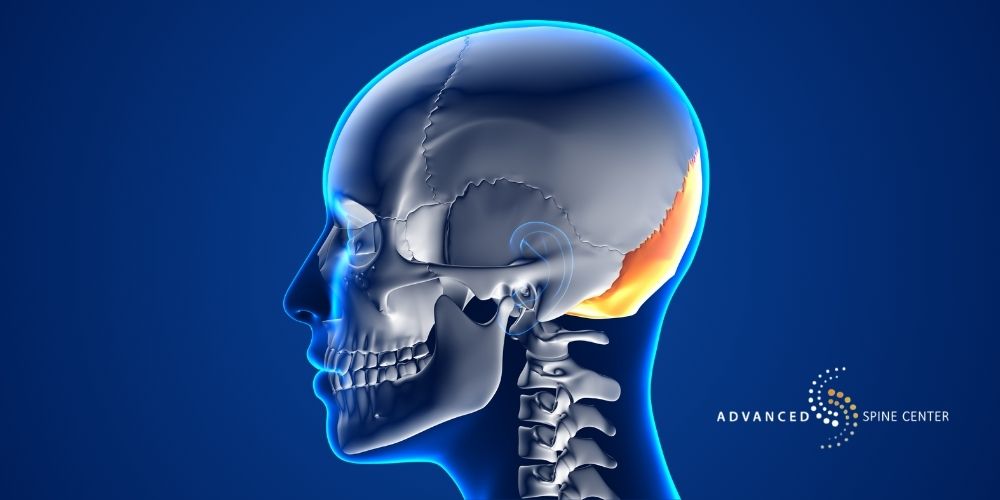
The occipital nerves are a network of nerves that run from the spinal cord through the upper neck to the back of the head. These nerves are important in transmitting pain messages from the neck and scalp. In cases of occipital neuralgia, these nerves become irritated, leading to severe, sharp pain and aching pain that can spread along the occipital nerves and even affect the greater occipital nerve, lesser occipital nerve, and third occipital nerve.
Normally, the occipital nerves help with head and neck movement. However, when occipital neuralgia occurs, the symptoms include intense pain and a feeling of electric shock along these nerves. This condition is sometimes accompanied by neck pain and muscle tightness and can be confused with other headache disorders.
What Is Occipital Neuralgia?
Occipital neuralgia is a condition characterized by severe, intermittent sharp pain, and aching pain originating from the occipital nerves at the base of the skull. It is often marked by occipital neuralgia symptoms such as shooting pain, intense pain, and electric shock sensations that travel along the occipital nerves. Many patients also report neck pain and discomfort affecting the upper neck and back of the head.
The cause of occipital neuralgia can be traced to irritation, inflammation, or injury to the occipital nerves—including the greater occipital nerve, lesser occipital nerve, and third occipital nerve. Various treatment options, such as nerve blocks and occipital nerve stimulation, are available to treat occipital neuralgia and relieve the pain.
How Common Is Occipital Neuralgia?
Occipital neuralgia affects many individuals, especially those with chronic neck pain and muscle tightness. The condition is often seen in patients with a history of head or neck trauma, as well as those who suffer from other headache disorders. Regular visits to a spine specialist can help diagnose and treat occipital neuralgia before symptoms become overwhelming.
Studies and literature reviews from institutions like the Cleveland Clinic suggest that occipital neuralgia is more common in patients with repetitive stress to the occipital nerves. Persistent pain along these nerves can lead to chronic pain that may require multiple treatment options, including physical therapy and nonsteroidal anti-inflammatory drugs to decrease inflammation and reduce pain messages.
Occipital Neuralgia First Symptoms
Recognizing the early signs of occipital neuralgia is the first step to managing the disease. Below are some common early symptoms that may indicate the onset of occipital neuralgia:
- Sudden bouts of sharp pain at the base of the skull
- Aching pain in the same area
- Neck pain that often accompanies the head pain
- Heightened sensitivity in the occipital nerves as they transmit pain messages to the spinal cord
- An electric shock sensation or a series of quick, intense pulses along the occipital nerves
- Light sensitivity
- Discomfort in the upper neck
- Trigger points that make even gentle movements uncomfortable
Early detection of these symptoms enables timely intervention with treatments such as occipital nerve blocks and occipital nerve stimulation.
Occipital Neuralgia Pain Areas
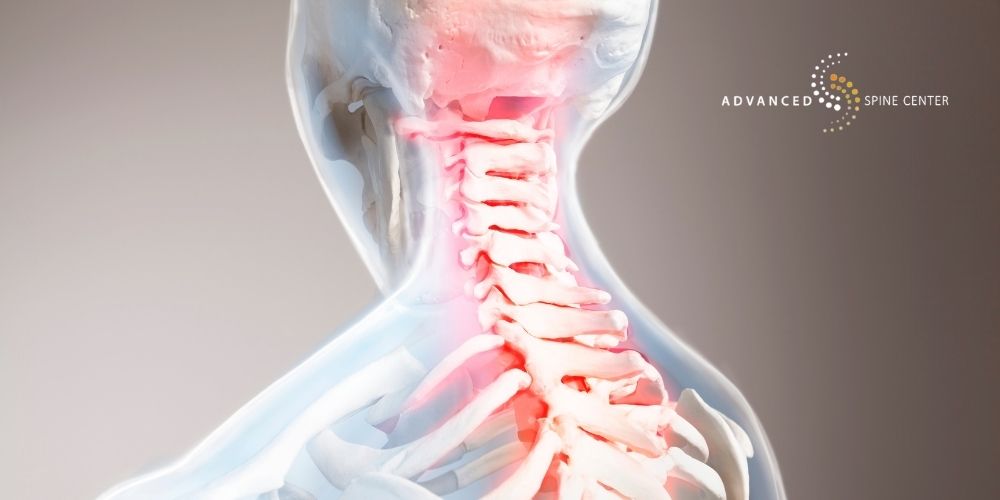
Occipital neuralgia typically presents with pain focused along the occipital nerves, affecting areas such as the back of your head and neck. Patients often experience pain that radiates from the base of the skull to the upper neck and may extend to the back of the head on one or both sides. Other symptoms like shooting pain and an electric shock sensation usually accompany this pattern of pain.
The distribution of pain may involve the greater occipital nerve, the lesser occipital nerve, and sometimes the third occipital nerve. These nerves, which run from the spinal cord, carry pain messages that contribute to a persistent feeling of discomfort—requiring timely intervention such as nerve stimulation or nerve blocks.
How Long Does Occipital Neuralgia Last?
The duration of occipital neuralgia varies widely among individuals. For some, it may be a short-term issue that responds quickly to nonsteroidal anti-inflammatory drugs, physical therapy, and even massage therapy to ease pain. Others may experience persistent occipital neuralgia for months or even years, with regular symptoms such as sharp and aching pain that require ongoing management.
Long-term cases may benefit from a combination of nerve blocks, occipital nerve stimulation, and careful monitoring of the spinal cord and occipital nerves. In some cases, interventions like surgical treatment or spinal cord stimulation can offer significant pain relief for those who continue to feel pain despite nonsurgical treatments.
Occipital Neuralgia Causes
Occipital neuralgia may result from several factors, including:
- Trauma or irritation of the occipital nerves
- Repetitive strain on the neck
- Injury to the spinal cord
- Inflammation affecting the occipital nerves
- Muscle tension in the upper neck
- A pinched nerve
- Damage to nerve cells, resulting in abnormal pain signals
- Prolonged periods of poor posture
- Stress-related muscle tension that leads to muscle tightness and trigger points around the occipital nerves
Treatments such as nerve blocks and occipital nerve stimulation can help manage occipital neuralgia by addressing these underlying issues.
Who Is at Risk of Developing Occipital Neuralgia?
Individuals who engage in repetitive activities that strain the neck and upper neck are at increased risk for developing occipital neuralgia. Athletes, office workers, and those who have sustained head or neck injuries are particularly vulnerable. A history of other headache disorders or chronic neck pain can also predispose an individual to occipital neuralgia.
People with pre-existing conditions affecting the spinal cord and occipital nerves may be at higher risk. Recognizing early symptoms and seeking timely treatment, such as occipital nerve blocks and physical therapy, can help manage the condition and reduce the frequency of painful episodes.
How Is Occipital Neuralgia Diagnosed?
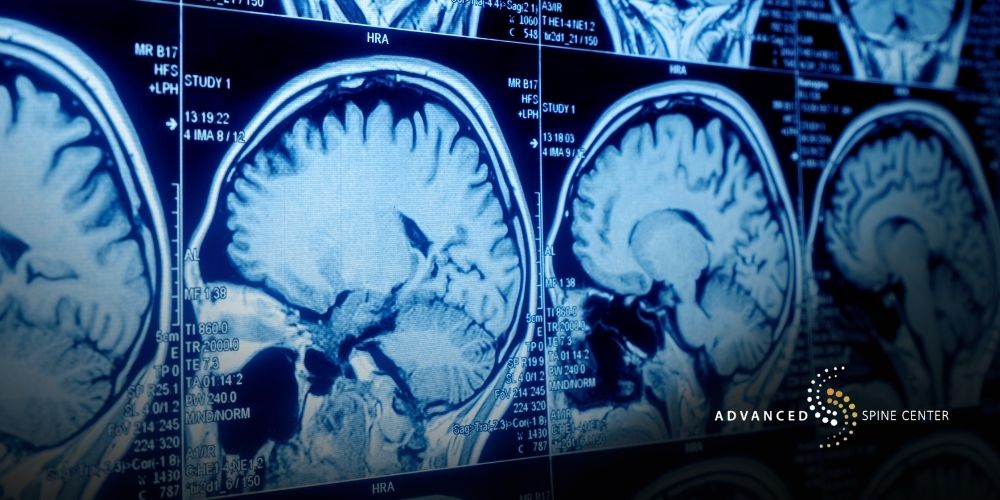
The diagnosis begins with a comprehensive physical examination and a detailed review of the patient’s history, focusing on neck pain and occipital neuralgia symptoms. During the exam, Dr. Stephen Courtney assesses the occipital nerves. He looks for areas of muscle tightness, trigger points, and signs of a pinched nerve that might contribute to the condition. Tools like handheld ultrasound devices may be used to examine nearby blood vessels.
Additional diagnostic tests, such as blood tests and imaging studies, help evaluate the condition of the spinal cord and adjacent occipital nerves. Together with the patient’s description of symptoms (including sharp pain, shooting pain, and electric shock sensations), these tests help determine the best ways to treat occipital neuralgia and provide targeted pain relief.
When to Seek Medical Attention for Occipital Neuralgia
If you experience recurring occipital neuralgia or persistent symptoms such as sharp pain, aching pain, or neck pain, it is important to seek medical attention immediately. As noted by the American Association of Neurological Surgeons (AANS.ORG), occipital neuralgia can be very difficult to diagnose because of its similarities with migraines and other headache disorders. If the pain along your occipital nerves becomes severe and interferes with daily activities, a prompt physical examination may reveal issues with the spinal cord and occipital nerves that require immediate care.
Patients who notice additional symptoms like light sensitivity, muscle tightness, or intermittent electric shock sensations should contact a specialist immediately. Our center offers comprehensive care, including occipital nerve blocks and occipital nerve stimulation, to target the source of the pain and help improve overall quality of life.
Is Occipital Neuralgia Serious?
While occipital neuralgia can be extremely uncomfortable and interfere with daily activities, it is not typically life-threatening. However, persistent pain can affect your quality of life and lead to secondary issues such as chronic pain and increased muscle tightness in the neck. Because the occipital nerves send pain messages to the spinal cord, addressing this pain quickly is important to avoid further complications.
Even though it is not considered dangerous, worsening or persistent symptoms should be evaluated promptly. Treatment options, such as physical therapy, nonsteroidal anti-inflammatory drugs, and sometimes surgical treatment, are available to treat occipital neuralgia and relieve the chronic pain patients may experience.
Occipital Neuralgia Treatments in Plano, TX
At the Advanced Spine Center, we offer a comprehensive range of occipital neuralgia treatment options designed to address the condition at its source. Our treatment plans include various methods to target the occipital nerves and the spinal cord, providing effective pain relief. We combine nonsurgical and surgical treatment modalities to meet each patient’s unique needs.
Patients may benefit from interventions such as nerve blocks, occipital nerve stimulation, and spinal cord stimulation. In addition, therapies like physical therapy, massage therapy, and even Botox injections are available to target trigger points and relieve muscle tightness that contributes to occipital neuralgia pain. Every effort is made to treat occipital neuralgia and help you feel relief from persistent pain.
Nonsurgical Treatments for Occipital Neuralgia
Many patients initially turn to nonsurgical treatments to address occipital neuralgia symptoms like sharp pain and aching pain. Approaches like physical therapy and massage therapy effectively reduce muscle tightness around the occipital nerves and neck. In addition, nonsteroidal anti-inflammatory drugs and muscle relaxants are often used to decrease inflammation and relieve pain.
Other methods include occipital nerve blocks and carefully adjusted stimulation settings during occipital nerve stimulation sessions. By targeting the affected occipital nerves and spinal cord, these nonsurgical treatments work to block pain messages and help relieve pain in both the back of the head and the neck.
Occipital Neuralgia Exercises
Exercise programs tailored for patients with occipital neuralgia can help manage the persistent pain and muscle tightness associated with this condition. These exercises focus on strengthening the neck and upper neck muscles, which support the occipital nerves and reduce the frequency of symptoms. Regular physical therapy sessions combined with specific stretches can help ease pain and lower the chance of a pinched nerve causing further pain.
These routines may also incorporate heating pads and guided movement techniques to block pain messages and support the natural function of the spinal cord and surrounding occipital nerves. Over time, this approach not only aids in treating occipital neuralgia but also promotes overall strength and flexibility in the neck.
Surgical Treatments for Occipital Neuralgia
When nonsurgical treatments don’t adequately relieve occipital neuralgia, some patients may consider surgical treatment options. Procedures designed to address irritation of the occipital nerves or issues within the spinal cord can provide long-lasting pain relief for those with persistent pain. Surgical interventions are carefully planned to target the exact source of pain and alleviate the continuous transmission of pain messages along the occipital nerves.
Microvascular decompression is a procedure that involves relieving pressure on the occipital nerves and spinal cord by repositioning nearby blood vessels. In combination with other techniques like nerve blocks and occipital nerve stimulation, surgical treatment offers a comprehensive approach to treat occipital neuralgia and regain control over chronic pain.
Occipital Nerve Stimulation
Occipital nerve stimulation is an innovative method for managing occipital neuralgia. It delivers controlled electrical impulses to the occipital nerves and spinal cord. This technique adjusts stimulation settings to reduce the transmission of pain messages from the affected nerves and provide lasting pain relief. Many patients experience a significant reduction in occipital neuralgia pain and improved quality of life using nerve stimulation.
Using occipital nerve stimulation alongside other treatment options, such as occipital nerve blocks and physical therapy, allows us to treat occipital neuralgia with precision. This method targets the occipital nerves that run from the spinal cord to the back of your head, working to block pain messages and help patients feel relief from chronic pain.
How to Prevent Occipital Neuralgia

You can lower your risk by taking care of your neck and the surrounding occipital nerves through these methods:
- Maintain a healthy posture
- Engage in regular physical therapy and massage therapy to reduce muscle tightness
- Use heating pads and take breaks during repetitive activities
- Stay active and practice stretches to relieve tight muscles
- Use anti-inflammatory drugs when needed
- Make ergonomic adjustments to lessen stress on the spinal cord and occipital nerves
These preventive measures help reduce the chances of developing persistent occipital neuralgia and recurring symptoms.
What Is the Prognosis for Occipital Neuralgia?
The prognosis for patients with occipital neuralgia varies based on the severity of symptoms and how quickly treatment is initiated. With a combination of occipital neuralgia treatment methods—ranging from nonsurgical treatments to advanced procedures like occipital nerve stimulation and spinal cord stimulation—many patients experience significant pain relief and a reduction in pain. Consistent management through physical therapy, trigger point exercises, and occasional nerve blocks helps maintain a positive outlook for those suffering from the condition.
Patients who follow prescribed treatment options and adopt preventive practices often report gradual improvement in occipital neuralgia symptoms, neck pain, and other pain related to the occipital nerves. By choosing the proper treatment—from physical therapy to surgical treatment when necessary—many are able to regain functionality and feel relief from persistent pain that affects their daily lives.
Contact the Advanced Spine Center for Occipital Neuralgia Treatment in Plano

If you are experiencing occipital neuralgia with persistent pain along the occipital nerves, it is time to seek help from a trusted specialist. Dr. Stephen Courtney and our dedicated team are here to treat occipital neuralgia using advanced techniques, including occipital nerve stimulation, nerve blocks, and spinal cord stimulation, to address the discomfort from your neck pain and other related symptoms.
Contact Advanced Spine Center today at (972) 499-5457 to schedule your appointment. Our experienced Plano, TX team is ready to help you overcome the persistent pain transmitted by the occipital nerves and reclaim a life free from the debilitating effects of occipital neuralgia. With personalized treatment plans, you can finally feel relief and reduce the impact of pain messages traveling from the spinal cord through the occipital nerves.