Cervical Foraminal Stenosis Treatment in Plano, TX
Home > Cervical Foraminal Stenosis Treatment
Specialties
Expert Care for Cervical Foraminal Stenosis at Advanced Spine Center in Plano, Texas
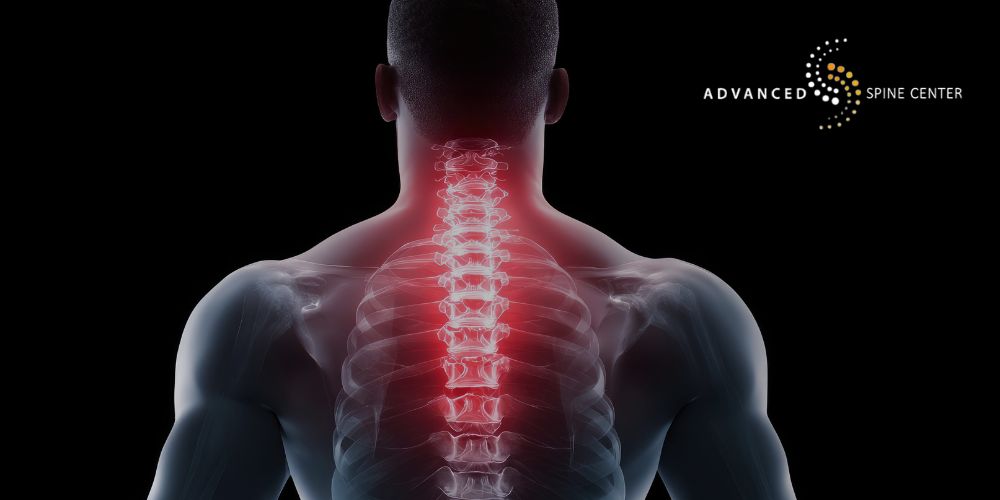
Advanced Spine Center provides expert cervical foraminal stenosis treatment in Plano, TX. Nerve compression caused by cervical foraminal stenosis can lead to severe neck pain and nerve-related symptoms. Early diagnosis and treatment are critical to preventing permanent nerve damage and restoring quality of life. Our team takes pride in helping patients achieve lasting relief through advanced diagnosis and personalized care.
If you’re experiencing symptoms of spinal stenosis, seek medical help as soon as possible. Call us at (972) 499-5457 or schedule a consultation online with our Plano spine specialists.
What Is Foraminal Stenosis of Cervical Region?
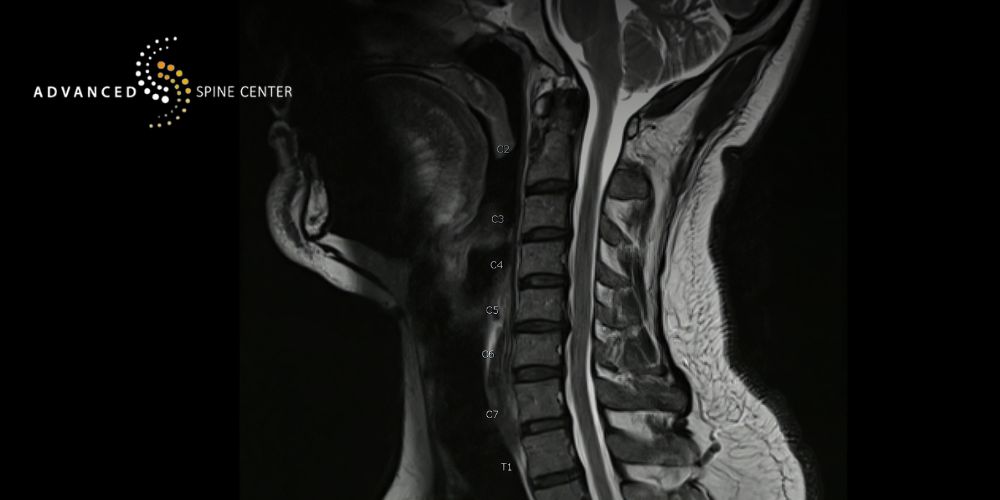
Cervical foraminal stenosis affects the neural foramina, which are small openings on either side of the cervical vertebrae through which spinal nerve roots exit the spinal canal. This condition occurs when the openings become narrowed and compress the nerves passing through them. Pressure produces pain and interrupts communications between your brain and the rest of your body. In the cervical spine, stenosis impacts nerves traveling from the spinal cord to the arms, shoulders, and hands. According to the American Academy of Physical Medicine and Rehabilitation, cervical spinal stenosis affects ro ughly 5% of adults in the U.S.
Left untreated, cervical neural foraminal stenosis can progress and lead to significant neurological deficits. Advanced Spine Center provides specialized foraminal stenosis treatment in Plano, TX for patients with moderate to severe foraminal stenosis.
What Causes Neural Foraminal Stenosis of Cervical Spine?
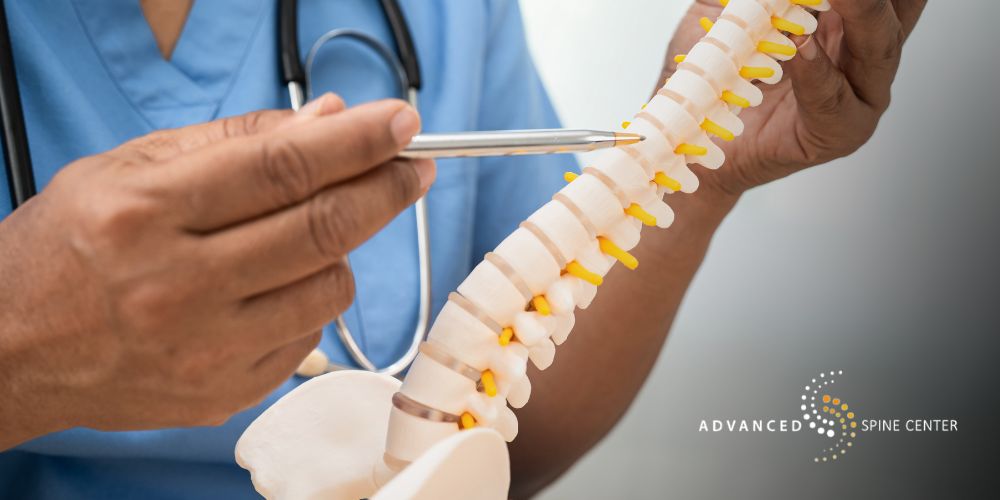
Individuals can suffer from spinal stenosis as a result of injuries, spinal growths, or conditions that affect their muscles, spinal column, or connective tissues. Degenerative changes develop slowly over time and can also result in stenosis. Although degenerative changes are most commonly associated with age, other factors can accelerate the process.
When narrowing results in a cervical radiculopathy, also referred to as a pinched nerve, it can cause radiating nerve pain, tingling, and muscle weakness. In such cases, our team provides Plano, TX cervical radiculopathy treatments to relieve pressure.
Degenerative Changes in the Cervical Vertebrae
Common degenerative issues that can lead to cervical foraminal stenosis include:
- Disc degeneration reduces the space between cervical vertebrae
- Bone spurs and thickened ligaments that narrow the neural foramina
- Arthritis and age-related spinal degeneration
If you’re suffering from any of these issues, contact the healthcare providers at Advanced Spine Center. You can rely on our team for bone spur, arthritis, and degenerative disc disease treatments in Plano, TX.
Common Conditions That Lead to Foraminal Narrowing of the Cervical Spine
Displaced disc material from a herniated disc can push into the neural foramen and compress nearby spinal nerve roots. Seeking prompt care can relieve pain and prevent nerve damage. Advanced Spine Center provides cervical herniated disc treatment in Plano, TX to address foraminal narrowing.
Bone spur formation along the cervical spine develops gradually in response to joint stress and arthritis. These growths can significantly reduce the space available for nerve passage. Individuals may also develop foraminal narrowing due to conditions like ankylosing spondylitis and Paget’s disease of the bone. The Plano spine doctors at Advanced Spine Center carefully diagnose the cause of cervical foraminal narrowing to build appropriate treatment plans.
Cervical Foraminal Stenosis Symptoms
Cervical foraminal stenosis most commonly produces:
- Neck pain and stiffness in the cervical spine
- Pain in the hands, arms, or shoulder blades
- Tingling, numbness, or muscle weakness in the arms or hands
Symptoms can range from mild discomfort to severe pain that limits everyday movement. Progressing or worsening issues may signal that you need prompt medical attention to avoid permanent nerve damage.
How is Cervical Foraminal Stenosis Diagnosed in Plano, TX?
The diagnostic process at Advanced Spine Center begins with a thorough review of the patient’s medical history. We then complete a physical exam to assess nerve function, reflexes, and range of motion in the cervical spine. Imaging tests, including magnetic resonance imaging (MRI) and computed tomography (CT) scans, help the physician visualize the degree of nerve compression in detail.
Other diagnostic tests, such as nerve conduction studies, may be used to evaluate how well spinal nerves are transmitting signals and to identify the specific nerve root causing symptoms. This comprehensive approach ensures an accurate foraminal stenosis diagnosis and informs the most effective treatment strategy.
Innovative Treatment Options for Cervical Spinal Stenosis at Advanced Spine Center
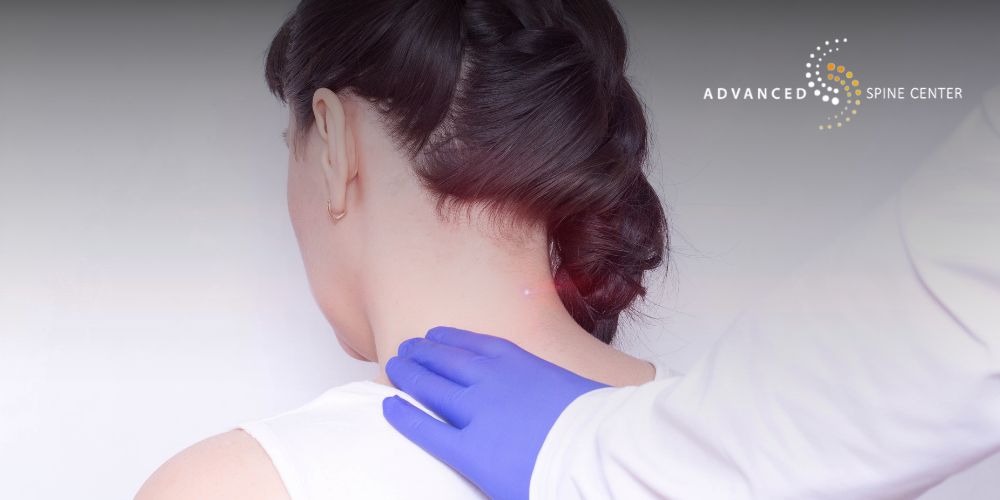
Advanced Spine Center offers personalized spinal stenosis treatment in Plano, TX. We base care on the extent of each patient’s nerve compression and overall health. The care team focuses on relieving nerve pressure, reducing inflammation, and restoring function. We accomplish this through a combination of conservative management and advanced interventional treatments.
Conservative Treatments for Cervical Stenosis
Patients with mild neural foraminal stenosis often respond well to nonsurgical treatments. Physical therapy is a cornerstone of conservative treatment for cervical foraminal stenosis. A physical therapist guides patients through targeted exercises that strengthen the muscles supporting the cervical spine. Cervical traction and cold therapy are also beneficial to some. Doctors often prescribe anti-inflammatory medications, pain relievers, and muscle relaxers to help with pain and reduce inflammation.
Minimally Invasive Procedures for Cervical Foraminal Stenosis
When conservative treatments do not adequately relieve pain or neurological deficits, Advanced Spine Center offers other care options. A Plano cervical epidural steroid injection delivers medication directly to the irritated spinal nerve roots to reduce inflammation and relieve pressure. A cervical medial branch block in Plano, TX helps identify and treat specific nerves, providing both diagnostic and therapeutic benefits.
Minimally invasive decompression procedures address foraminal narrowing with greater precision and less tissue disruption than traditional open surgery. These treatments are designed to shorten recovery times compared to more invasive surgical procedures.
Surgical Treatment for Cervical Spinal Stenosis at Advanced Spine Center in Plano, TX
Surgical treatments are recommended in severe cases of cervical foraminal stenosis. Some patients may benefit from a laminectomy in Plano. During this surgery, the doctor removes the back portion of the vertebra. Similarly, Plano, TX laminotomy surgery involves removing only a portion of that same part of the bone. Both options can relieve pressure on spinal nerves.
Cervical Foraminal Stenosis FAQs
Can Cervical Stenosis Cause Headaches?
Yes, nerve compression in the cervical spine can cause headaches, particularly at the base of the skull. Headaches often occur with neck pain or cervical radiculopathy.
Does Cervical Stenosis Cause Arm Pain?
Cervical nerve compression frequently causes neck pain, but pain may also travel to the shoulder and arm. Aging and arthritis are common contributing factors.
Is Cervical Spinal Stenosis Hereditary?
Family history of spinal stenosis is a common risk factor in developing this condition. However, most cases develop as a result of degenerative changes that occur as a person ages, rather than from a direct genetic predisposition alone.
What Are Things to Avoid With Cervical Spinal Stenosis?
Patients with cervical spinal stenosis should avoid heavy lifting and activities that place excessive strain on the neck. Repetitive neck bending or twisting motions and poor posture can increase pressure on nerve roots.
Schedule a Consultation for Cervical Foraminal Stenosis Treatment in Plano, TX. Call Advanced Spine Center Today.
Seek medical care for cervical spinal stenosis early to prevent the condition from progressing to permanent nerve damage. Advanced Spine Center provides individualized treatment plans to help patients relieve severe symptoms and regain function. Our experienced team is ready to guide you through every step of the treatment process, from initial evaluation to complete recovery.
To learn more about Plano spine surgery and other treatment options, call Advanced Spine Center at (972) 499-5457 or contact us online today.