Foraminotomy in Plano, TX
Home > Foraminotomy
Specialties
Personalized Foraminotomy Treatment for Nerve Compression at Advanced Spine Center
Foraminotomy in Plano, TX, may help relieve chronic neck and back pain caused by compressed spinal nerves when conservative treatments no longer provide lasting relief. The spine surgeons at Advanced Spine Center develop personalized treatment plans using advanced imaging technology to match each patient with appropriate care for their condition. Board-certified spine surgeon Dr. Stephen Courtney has earned the trust of patients throughout the Dallas-Fort Worth area by combining advanced surgical skill with compassionate, individualized care. Foraminotomy surgery is one advanced treatment option that can help patients find lasting relief from nerve compression and related symptoms.
Call us today at 972-499-5457 or contact us online to schedule an evaluation and take the first step toward relief.
What Is a Foraminotomy?
A foraminotomy is a surgical procedure designed to relieve pressure on compressed nerve roots by enlarging the neural foramen, the openings through which nerves exit the spinal canal. When these openings narrow due to bone spurs, herniated discs, or other spinal changes, nerve roots can become compressed. This can cause pain, numbness, and weakness, potentially affecting the spinal cord and surrounding structures.
A laminectomy surgery in Plano, TX, is a related spinal decompression procedure. A foraminotomy, however, specifically targets the neural foramen to restore space around the affected nerve roots. A foraminotomy can be performed as a minimally invasive procedure or as open surgery, depending on each individual patient’s anatomy and the complexity of their condition.
Minimally Invasive Foraminotomy
Advanced Spine Center prioritizes minimally invasive surgery techniques whenever appropriate because they allow spine surgeons to achieve effective nerve decompression while minimizing disruption to surrounding muscles and tissues. The minimally invasive foraminotomy uses a small incision, muscle-sparing approaches, and specialized, tiny instruments guided by advanced imaging to precisely access the neural foramen.
Our lumbar minimally invasive spine (MIS) surgery team in Plano, TX, applies the same minimally invasive principles to foraminotomy procedures. Patients who undergo this minimally invasive procedure typically experience less blood loss, a lower risk of infection, and less postoperative pain. They also benefit from shorter hospital stays and faster recovery times compared to traditional open surgery. Patients who are good candidates for this approach typically have single-level nerve compression without significant spinal instability and are in good overall health.
Open Surgery
Open surgery may still be recommended for patients with complex or multi-level spinal conditions that require greater surgical access and flexibility. This approach uses a larger incision to provide the surgeon with a wider field of view and direct access to the spine, allowing for more extensive decompression when needed.
Open foraminotomy involves a more involved recovery than a minimally invasive procedure, but it remains an important option for maintaining spinal stability in patients whose anatomy or condition makes minimally invasive techniques less appropriate. Advanced Spine Center surgeons carefully evaluate each patient’s imaging and clinical presentation to determine the most appropriate surgical approach.
How Nerve Roots Become Compressed In The Spine
The spinal foramina are openings between spinal bones through which nerve roots exit the spinal column on their way to the arms, legs, and other parts of the body. Over time, these openings can narrow due to various spinal conditions. This includes bone/bony spurs, thickened ligaments, spinal stenosis, and degenerative disc disease in Plano, TX, where disc breakdown contributes to nerve compression.
Herniated discs, arthritis, foraminal stenosis, and spinal stenosis in Plano, TX, can all reduce the space available for nerves as they exit the spinal canal. When nerve roots are compressed and not treated appropriately, symptoms can worsen over time and significantly affect a patient’s ability to return to normal activities.
What Conditions Can a Foraminotomy Treat?
A foraminotomy can treat a range of spinal conditions that cause nerve compression and related symptoms. The following are among the most common conditions that Advanced Spine Center spine surgeons address with this procedure.
Foraminal Stenosis
Foraminal stenosis occurs when the neural foramen narrows and compresses nearby nerve roots, reducing the space through which nerves exit the spinal canal. Patients with foraminal stenosis commonly experience radiating pain, tingling, muscle pain, difficulty with movement, and numbness that may travel into the arms or legs, depending on the location of the compression. A consultation for foraminal stenosis treatment in Plano, TX, can help determine whether a foraminotomy is the right approach for your condition.
Herniated Discs and Pinched Nerves
Herniated discs occur when the soft inner material of a spinal disc pushes through the outer layer and places pressure on nearby nerve roots as they exit the spinal column. This nerve pressure can cause symptoms that travel into the arms or legs, including sharp pain, numbness, tingling, and weakness that affect daily function. Patients seeking herniated disc treatment in Plano, TX, can discuss foraminotomy and other treatment options with Advanced Spine Center surgeons to find the most appropriate solution for their condition.
Types of Foraminotomy Procedures in Plano, TX
Advanced Spine Center offers foraminotomy procedures targeting different regions of the spine, depending on the site of nerve compression. The type of foraminotomy performed depends on the affected area and the patient’s specific symptoms and imaging findings.
Cervical Foraminotomy
A cervical foraminotomy is performed on the neck and upper spine to relieve nerve compression in the cervical region. Patients who benefit from this procedure often experience arm pain, neck pain, tingling, and weakness caused by compressed nerve roots, and cervical radiculopathy treatments in Plano, TX, are often considered alongside foraminotomy for cervical nerve compression. In cases where more extensive reconstruction is needed, spinal fusion through cervical fusion surgery in Plano, TX, may be recommended in addition to or instead of foraminotomy, depending on the degree of spinal instability.
Lumbar Foraminotomy
A lumbar foraminotomy is performed on the lower back to address nerve compression that causes leg pain, sciatica, lower back pain, and weakness in the lower extremities. Patients with lumbar nerve compression can also explore lumbar radiculopathy treatment and sciatica treatment in Plano, TX, to better understand the range of care available at Advanced Spine Center. A lumbar microdiscectomy specialist at our center in Plano, TX, can help determine whether a microdiscectomy or a lumbar foraminotomy is the most appropriate approach for each patient’s condition.
Thoracic Foraminotomy
A thoracic foraminotomy is less common than cervical or lumbar procedures and is performed on the mid-back region of the spine. Thoracic nerve compression may cause symptoms including mid-back pain, chest wall pain, or weakness and numbness that wraps around the torso. Advanced Spine Center surgeons carefully evaluate thoracic cases to determine when a foraminotomy is appropriate and which surgical approach will achieve the best outcome.
What to Expect During Foraminotomy Surgery
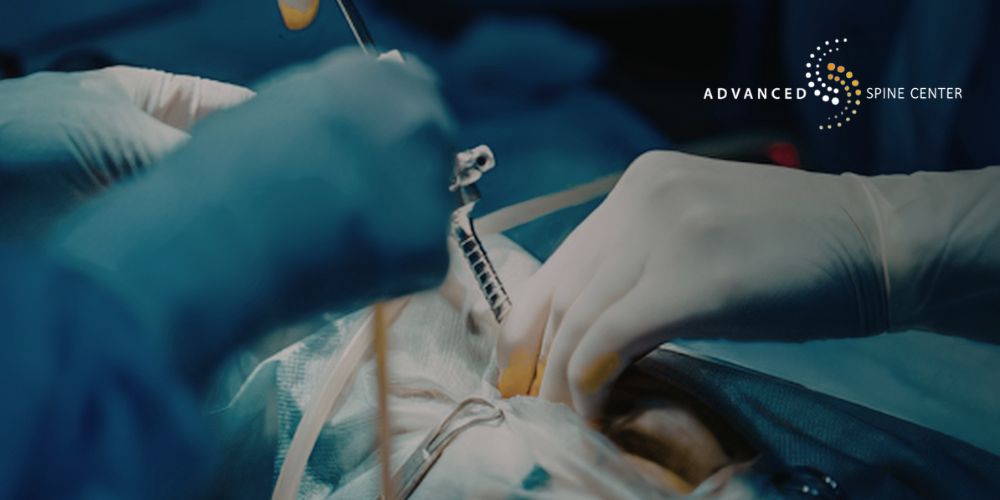
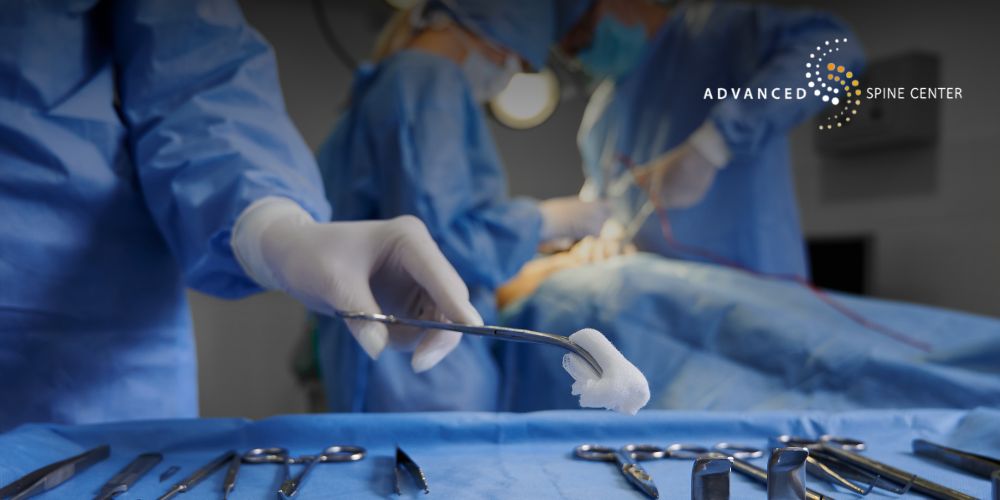
Before surgery, patients undergo preoperative evaluation, including MRI, CT scan, and X-rays, to identify the precise location and extent of nerve compression. The care team reviews the patient’s medical history and overall health to prepare a safe surgical plan. Foraminotomy surgery is typically performed under general anesthesia and takes a few hours. The surgeon makes a small incision near the affected area and uses specialized tools and imaging to remove bone, thickened ligaments, or disc material compressing the nerve roots.
Many patients who undergo minimally invasive foraminotomy return home the same day or after a short hospital stay, while open surgery cases may require additional observation time. Patients then follow a structured recovery plan that may include physical therapy and a gradual return to normal activities over one to two weeks for minimally invasive cases or longer for open surgery.
Why Patients Choose Advanced Spine Center for Foraminotomy Surgery in Plano, TX
Advanced Spine Center is committed to minimally invasive spine surgery techniques that reduce recovery time and surgical risk for patients throughout the Dallas-Fort Worth area. Our spine surgeons use state-of-the-art surgical technology and advanced imaging to perform foraminotomy procedures with precision and accuracy, helping patients receive targeted care.
Every patient receives a personalized treatment plan developed around their specific diagnosis, imaging findings, and recovery goals. Our convenient Plano, TX location makes it easy for patients across the DFW area to access specialized spine care close to home and move forward with treatment.
Foraminotomy FAQs
What are the potential risks of foraminotomy surgery?
Like all surgical procedures, foraminotomy carries potential risks, including infection, blood clots, nerve injury, and the need for additional procedures in some cases. The minimally invasive approach reduces many of these risks compared to traditional open surgery, but all patients should discuss their individual risk profile with their surgeon before proceeding. Advanced Spine Center surgeons take every precaution to minimize risk and support a safe recovery for each patient, while helping patients understand the benefits and tradeoffs of treatment.
What is the recovery time after foraminotomy surgery?
Recovery time after foraminotomy surgery depends on the surgical approach and the complexity of the case. Most patients who undergo minimally invasive foraminotomy return to light normal activities within a few weeks, while open surgery cases typically require a longer recovery period. Patients are advised to follow their surgeon’s instructions for wound care to promote proper healing and reduce the risk of complications.
Heavy lifting and high-impact activities are restricted for several weeks, and physical therapy plays an important role in restoring strength and function during recovery. Patients should also contact their surgeon if they experience increasing pain, fever, drainage from the incision site, or other symptoms that could indicate a complication affecting the surgical site or other tissues.
Is foraminotomy considered a minimally invasive procedure?
Foraminotomy can be performed as a minimally invasive procedure or as traditional open surgery, depending on the patient’s condition and anatomy. The minimally invasive foraminotomy uses a small incision and specialized, tiny instruments to achieve nerve decompression with less disruption to surrounding muscles and tissues. Advanced Spine Center prioritizes minimally invasive techniques whenever clinically appropriate to support faster recovery and reduce post-operative pain.
How do doctors decide if spinal decompression surgery is necessary?
Spine surgeons at Advanced Spine Center in Plano evaluate patients through a combination of physical examination, review of symptoms, and advanced imaging, including MRI and CT scan, to determine the location and severity of nerve compression.
Most patients are encouraged to complete a course of conservative treatments such as physical therapy, medications, and injections before spinal decompression surgery is recommended. When conservative treatments fail to provide adequate relief and symptoms continue to affect daily function, foraminotomy or other spinal decompression surgery options may be considered.
Schedule Your Foraminotomy Consultation in Plano, TX. Contact Advanced Spine Center Today.

If nerve compression is causing chronic pain, numbness, or weakness that limits your daily life, Advanced Spine Center is ready to help you explore your treatment options. Board-certified spine surgeon Dr. Stephen Courtney is known throughout the Dallas-Fort Worth area for his advanced training, precision, and commitment to personalized patient care. Patients trust our spine surgery team for compassionate treatment, clear communication, and outstanding surgical outcomes, making Advanced Spine Center a leading destination for advanced spine care.
Delaying treatment may allow nerve compression to worsen, increasing pain and making everyday activities more difficult. Early evaluation can help determine whether foraminotomy surgery or another treatment option is appropriate before permanent nerve damage or additional complications develop.
Call us today at 972-499-5457 or contact us online to schedule your consultation and take the first step toward lasting relief.